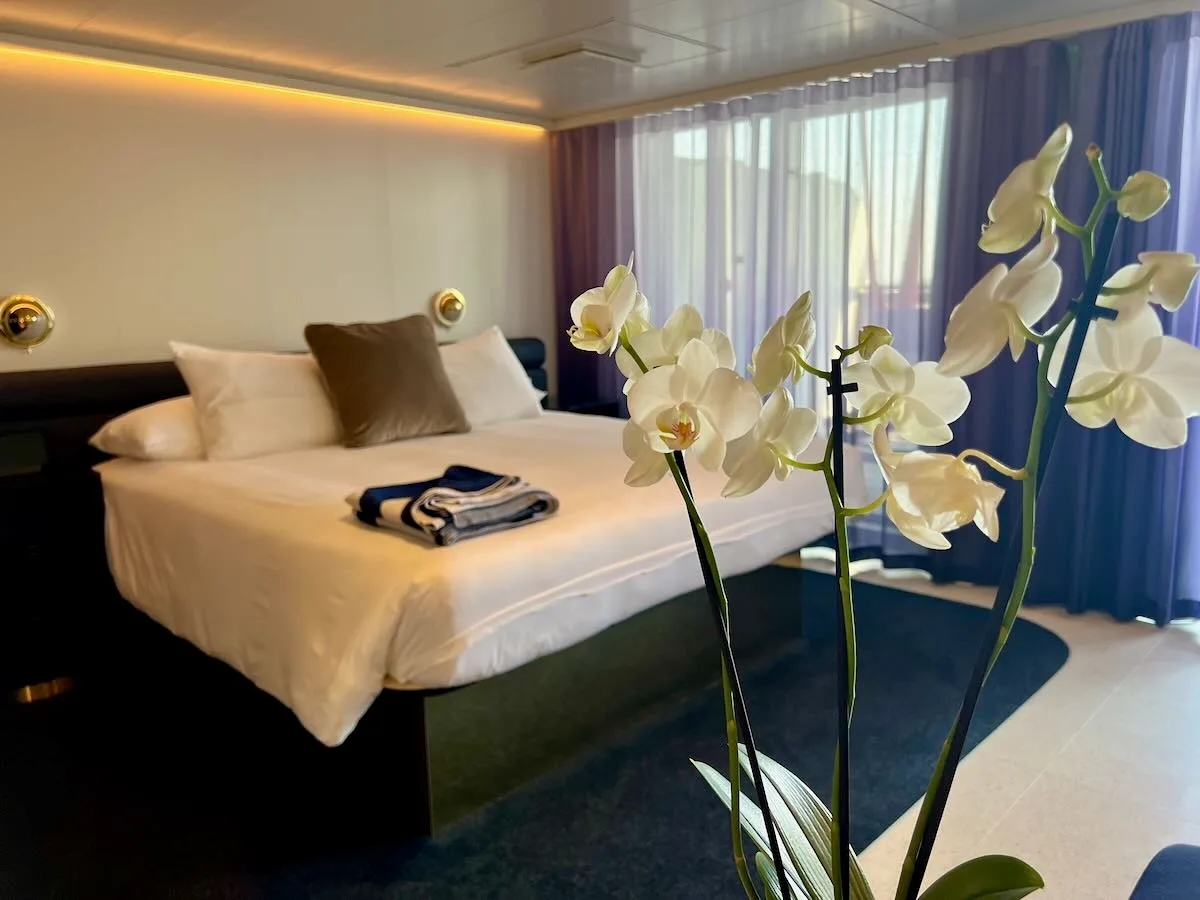
Your cabin choice is one of the biggest decisions you'll make when booking a cruise, and it significantly affects both your experience and your budget. The price difference between an inside cabin and a balcony can be substantial, but is it worth it?
I've stayed in inside cabins, ocean views, balconies, and even toured suites across multiple cruise lines (note that I haven't yet been able to swallow the price for a suite, as I often cruise solo!). I have written this guide to help you understand what actually matters when choosing a cabin, based on my personal experience rather than the nicely-crafted marketing messages on cruise line websites. All images I share on this page are from my own camera reel.
The Four Main Cabin Types
Cruise cabins fall into four basic categories, with variations within each type.
Inside Cabins (Interior Staterooms)
Inside cabins have no windows or natural light. You're essentially sleeping in a box with a door
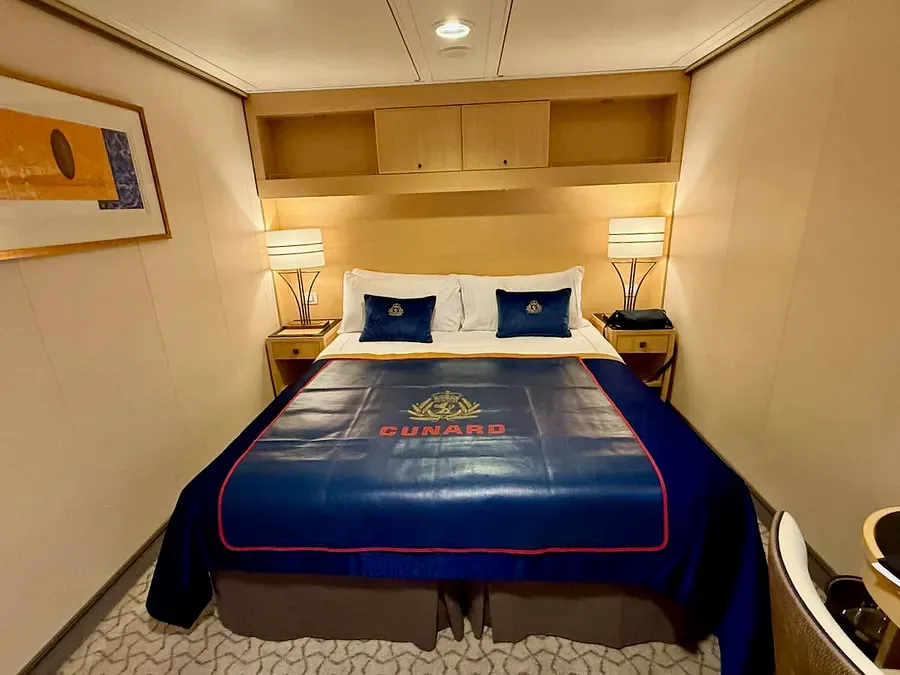
What you get: A bed (or beds), bathroom, storage, TV, and desk. No window.
The experience: I stayed in an inside cabin on Cunard's Queen Mary 2, and it was surprisingly comfortable. The room felt quiet and dark, which made for excellent sleep. QM2's cabins are dated in design (it will go into dry dock for a refit in early 2027), but the sheets were noticeably good quality, and the lack of light didn't bother me at all.
On Norwegian Epic, I had an inside cabin that worked fine for me as a solo traveller, but Epic's design is controversial. The toilet and shower open directly into the main room rather than having a separate bathroom space. This layout is manageable if you're travelling solo, but it creates awkward situations if you're sharing the cabin with a friend or family member. The Epic gets a lot of negative reviews for just this reason.
Best for: Budget-conscious travellers, people who only use the cabin for sleeping, and solo cruisers who want to save money. Side note: if there's a single supplement sale offered by a cruise line, it's often on inside cabins.
Not ideal if: You feel claustrophobic without natural light, or you plan to spend time in the cabin during the day.
Ocean View Cabins (Outside Staterooms)
Ocean view cabins have a window (porthole or rectangular) that lets in natural light but doesn't open. I have sailed ocean view on 5 ships at this point.
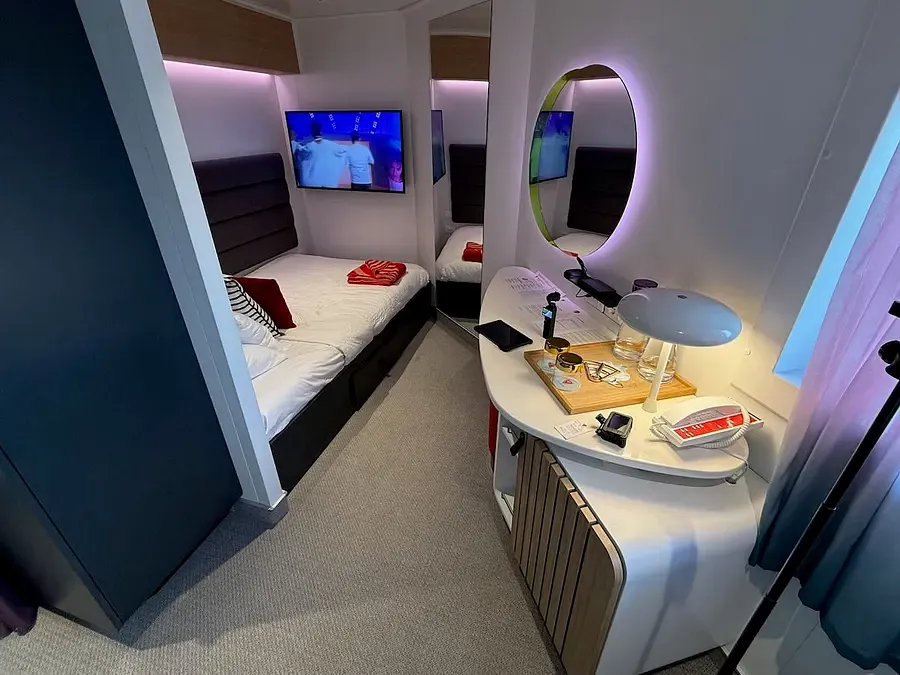
What you get: Same as an inside cabin, but with a window. On some older ships, the window might be obstructed by a lifeboat or have a restricted view.
The experience: I've stayed in ocean view cabins on Norwegian Star, Princess Grand Princess, and Royal Caribbean's Brilliance of the Seas. The natural light makes a noticeable difference to the feel of the cabin, especially in the morning. If a balcony or suite is too expensive for any given itinerary, the ocean view is a good compromise.
On Norwegian Star, I had an ocean view on a lower deck. The cabin was functional and the window was welcome, but it had one feature I wouldn't choose again: a connecting door to the neighbouring cabin. Even though it was locked, I could hear my neighbours' conversations and movements clearly, which made me quite self-conscious. If you're booking an ocean view, check whether it has a connecting door if noise is a concern for you.
The Grand Princess ocean view was small and felt dated, with two fold-down bunks that made accessing the main bed awkward. The Brilliance cabin was more spacious and better laid out, which shows how much variation exists even within the same cabin category across different ships.
Best for: People who want natural light but don't need outdoor space, travellers who spend most of their time exploring the ship, anyone on a moderate budget.
Not ideal if: You really want to sit outside, or if connecting doors and potential noise bother you.
Balcony Cabins (Veranda Staterooms)
Balcony cabins include private outdoor space with chairs and a small table. The door opens from your cabin onto the balcony.
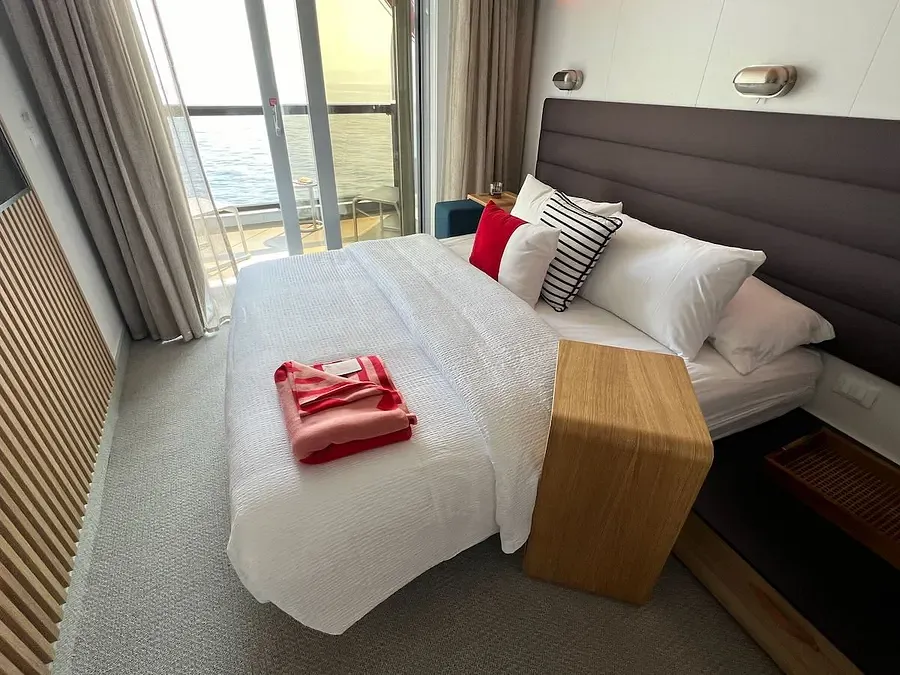
What you get: Everything from an ocean view cabin, plus a private balcony. Balcony size varies significantly between ships and cabin categories.
The experience: I've stayed in both obstructed and regular sea terraces on Virgin Voyages. An obstructed sea terrace means your view is partially blocked by a lifeboat or ship structure, but you still get the outdoor space. I've booked this "for the deal" and honestly, it didn't bother me much. However, the regular sea terrace had a clearer view and felt more open, though the functional difference was minimal since I mostly used the balcony for fresh air rather than extended sitting (I'm not a sun worshipper).
Balconies genuinely do change how you use your cabin. As long as you have decent weather, you can have breakfast outside, sit with a book, or just step out for fresh air without leaving your room. On sea days or scenic cruising routes, the balcony becomes really valuable.
The downside is cost. Balcony cabins typically cost 30-50% more than ocean view cabins, and you need to decide whether that outdoor space is worth the premium for your particular cruise.
Best for: Scenic itineraries (Alaska, Norway, Mediterranean), people who really need private outdoor space, longer cruises where you'll spend more time in the cabin, travellers who want breakfast or coffee outside.
Not ideal if: You're on a tight budget, you're rarely in your cabin, or your itinerary doesn't include much scenic cruising.
Suites
Suites offer significantly more space, better locations on the ship, and additional perks that vary by cruise line.
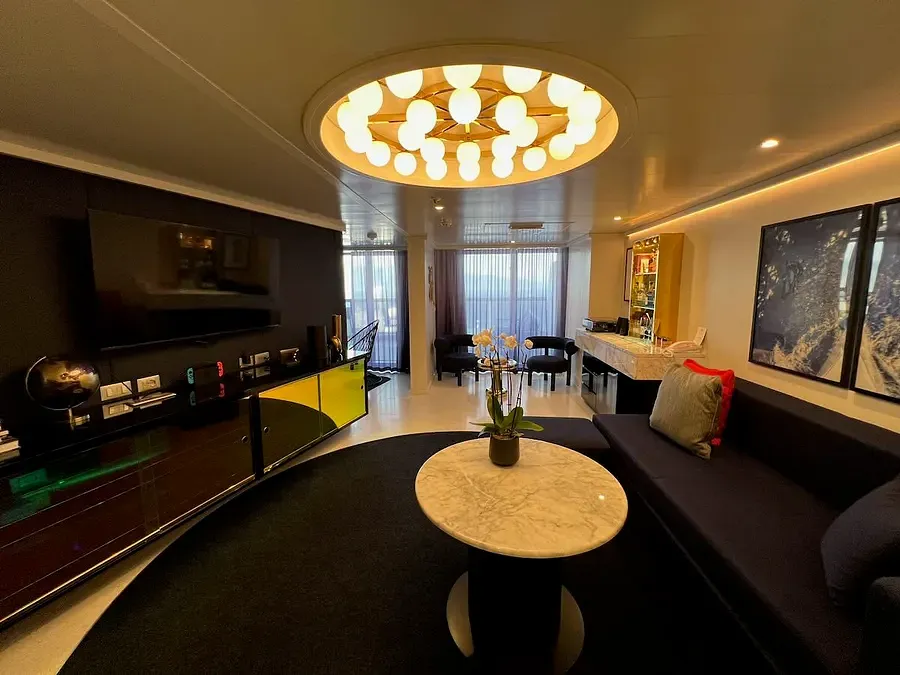
What you get: Larger cabins with separate living areas, bigger balconies, priority boarding and disembarkation, dedicated concierge service, and often access to exclusive restaurants or lounges (eg, Princess or Queen's Grill on Cunard). Specific perks depend on the cruise line and suite category.
The experience: I've toured Virgin Voyages' Rockstar suites on Resilient Lady, which include butler service, priority everything, a free in-room bar (restrictions apply), and access to Richard's Rooftop (an exclusive outdoor space). The suites are genuinely impressive, with far more space than standard cabins and high-end finishes.
But here's the reality: suites cost two to five times the price of a balcony cabin, sometimes more. For most travellers, that's a significant investment. The question is whether the extra space and perks justify the cost for your specific trip.
Suites make more sense on longer cruises where you'll spend more time in the cabin, or if the exclusive perks (like priority dining reservations or private lounges) significantly improve your experience. I think I'd consider them if I was cruising with a small group of friends (some suites can sleep 4 or more people). For a short 3-4 day cruise where you're mostly exploring ports and using public spaces, a suite is probably wasted money.
Best for: Longer cruises, special occasions, travellers who value space and service, anyone who can afford it without stretching their budget.
Not ideal if: You're trying to cruise affordably, you're rarely in your cabin, or the suite cost significantly limits other aspects of your trip.
What Actually Matters When Choosing a Cabin
Beyond the basic categories I just outlined, several factors affect your cabin experience.
Deck Location
Higher decks generally cost more, but they're not always better. Mid-ship locations tend to feel more stable in rough seas, which matters if you're prone to seasickness. Cabins near the front (forward) or back (aft) of the ship experience more motion.
On Norwegian Star during a challenging North Sea crossing with difficult weather, I was grateful to be mid-ship on a lower deck. The motion was still noticeable, but it would have been worse at the ends of the ship.
Avoid cabins directly below nightclubs, theaters, or the pool deck unless you're a very sound sleeper. I am the opposite, and wake at the slightest distraction. Noise from above (or below) can be significant, especially late at night.
Cabin Size
Cabin sizes are measured in square feet/metres, but the layout matters as much as the raw size. Some cabins feel spacious because of good design, while others feel cramped despite being technically larger.
Solo travellers should note that most cruise cabins are designed for two people, which means you're often paying a single supplement (sometimes up to 200% of the per-person rate) for a double cabin. A few cruise lines offer proper solo cabins at better rates, which I've written about separately.
Obstructed Views
"Obstructed view" cabins cost less because something blocks part of your window or balcony view, usually a lifeboat. The obstruction varies from minor (small lifeboat in corner of view) to significant (lifeboat blocking most of the window).
Check deck plans and reviews to understand what "obstructed" means for your specific cabin. Sometimes the discount is worth it, especially if you're not spending much time in the cabin anyway.
Connecting Doors
As I mentioned earlier, connecting doors between cabins can create noise issues even when locked. If you're travelling as a group, connecting cabins are convenient. If you're travelling solo or as a couple, you might want to avoid them. I've learned to ask about this after my experience with shouty neighbours on Norwegian Star!
Guaranteed Cabins
Some cruise lines offer "guaranteed" cabins at a discount. You choose the category (inside, ocean view, balcony) but the cruise line assigns your specific cabin closer to sailing. This can save money, but you risk getting a less desirable location or an obstructed view. I did risk this with, I believe, the Queen Mary 2 (I booked very late and didn't have much option). It worked out great that time but it's a risk.
How to Decide What's Worth Paying For
If you'll forgive the massive bulleted list, here's how I think about cabin choices based on the type of cruise.
Short cruises (3-5 days): Save money on the cabin. You'll be off the ship exploring ports or using public spaces most of the time. An inside or ocean view cabin makes sense unless you really value that private outdoor space.
Longer cruises (7+ days): Consider upgrading to a balcony, especially on scenic routes. You'll spend more time in the cabin, and the private outdoor space becomes more valuable over a week or more.
Scenic itineraries (Alaska, Norway, fjords): A balcony is genuinely worth the investment. You'll want to watch the scenery from your cabin, and having that private outdoor space enhances the experience significantly.
Warm weather, port-heavy itineraries (Caribbean): The balcony is less critical. You'll be in ports most days or using the ship's pool deck. Save the money for excursions or specialty dining.
Solo travellers: Inside or ocean view cabins usually offer the best value, which is why I've done so many of them. The single supplement makes balconies and suites very expensive unless the cruise line offers reduced supplements or dedicated solo cabins.
Special occasions: If you're celebrating something significant and the budget allows, a suite would no doubt make the trip memorable. But be honest about whether the extra space and perks will actually enhance your experience or just look good in photos.
Common Cabin Mistakes to Avoid
I think lots of people regret overspending on cabins that they only see after dark. It's a nice idea to have the extended balcony for 20% more, but if you're in port every day, it's a waste. On the flip side, don't just book the cheapest cabin without checking location. 7 nights of "ousha ousha" music under the nightclub wears thin pretty quickly.
For my solo cruisers, don't get drawn in by a low per-person price, and then discover you're paying 2x because of the supplement. Factor it in at the start, or use one of the excellent cruise agencies to trawl for no or low supplement trips. One last one: don't expect a fantastic cabin to compensate for a terrible itinerary. Start with the itinerary or general location, then work out the cruise line that suits you and then the right cabin.
Final Thoughts
The "best" cabin depends entirely on your travel style, budget, and itinerary. I've enjoyed inside cabins on short trips and balconies on scenic cruises, and each choice made sense for that specific situation.
Please just be honest with yourself about how you'll actually use the cabin. If you're someone who gets back to the room at midnight and leaves again at 8 am, spending extra for a balcony is probably wasted. If you like having coffee on your balcony while watching the sunrise, the upgrade is worth every penny.
Check deck plans, read reviews for specific cabin numbers, and remember that you can always upgrade on future cruises if you decide you want more space. Your first cruise doesn't lock you into a cabin category forever.
The goal is to find the cabin that lets you enjoy your cruise without either feeling cramped or spending money that would be better used elsewhere.