Choosing a cruise line is less about finding the "best" option and more about finding the one that matches what you actually want from a holiday. The marketing materials all look so similar (laughing couples on the pool deck, anyone?), but the experience on board can vary wildly between lines.
I've sailed with several different cruise lines since I started cruising in 2023, and the differences matter way more to me than I might have expected. This guide will help you understand what actually distinguishes one line from another, so you can make a decision that suits your travel style.
What Actually Makes Cruise Lines Different?
When you're comparing cruise lines, the differences come down to a few key areas: the type of ship, the atmosphere on board, what's included in your fare, and who else you'll be sailing with.
Ship Size and Feel
The size of the ship shapes almost everything about your cruise experience.
Larger ships (3,000+ passengers) offer more dining options, entertainment venues, and activities like race tracks, water slides and rock-climbing. You'll find multiple pools, theatres, speciality restaurants, and often features like mini golf or zip lines! The trade-off is that embarkation and disembarkation can take an age, and you'll notice the crowds in popular areas like the buffet or theatre, or when you go ashore at a port.
Mid-sized ships (1,500-3,000 passengers) strike a balance. You get enough variety in dining and entertainment without the overwhelming scale of the mega-ships. These ships often feel less rushed, and you're more likely to recognise some crew and cruiser faces by the end of the cruise.
Smaller ships (under 1,500 passengers) have a more intimate feel (and they're a sweet spot for me as a solo cruiser). You'll have fewer dining options and entertainment choices, but the pace feels slower and the ship is easier to navigate. Some smaller ships can also access ports that larger vessels cannot reach.
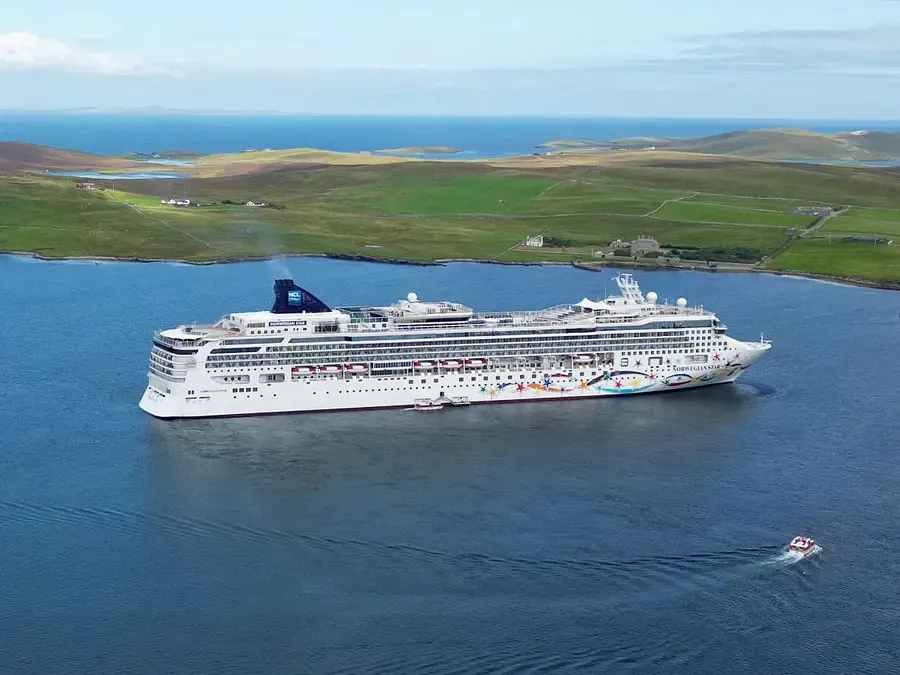
I sailed on Norwegian Star, which holds around 2,300 passengers, on a North Sea itinerary. The fact that it's a mid-sized ship meant I kept seeing the same friendly Australians in various lounges, which made for a more social experience than I've had on larger ships. But when bad weather forced everyone indoors, the buffet felt way too overcrowded in a way that a larger ship might have been able to manage.
Dining Style and What's Included
How and where you eat varies significantly between cruise lines, and this affects both your daily routine and your final cost.

Traditional dining means you have an assigned dining time and table. You'll eat in the main dining room at the same time each evening, often with the same tablemates (I did this on Cunard and Princess). Some people love the routine and the chance to get to know fellow passengers. Others can't bear that level of structure.
Freestyle or flexible dining lets you eat when you want, where you want. No assigned tables or times. Norwegian Cruise Line pioneered this approach, and several other lines have followed. It gives you more freedom but can mean longer waits during peak hours.
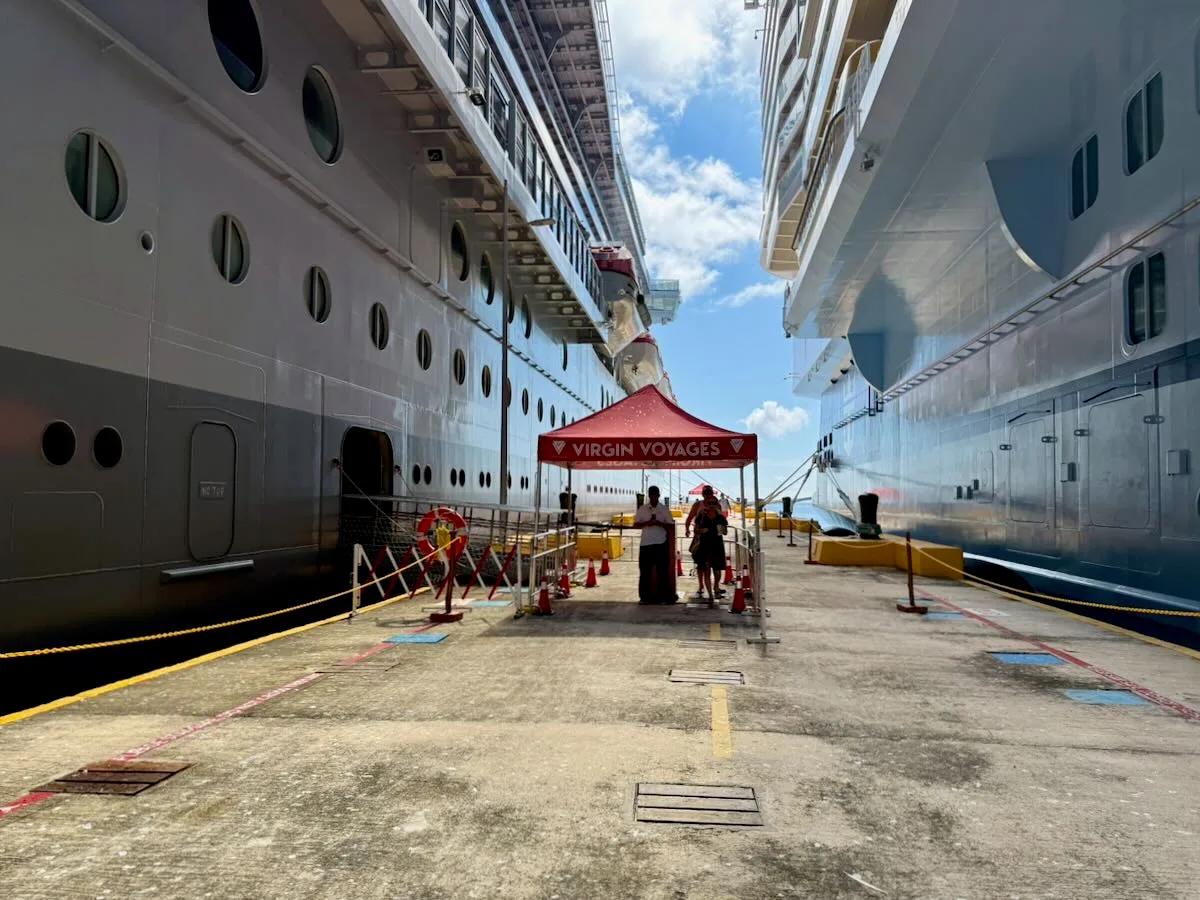
What's included in your base fare differs widely. Most mainstream lines include the main dining room, buffet, and basic beverages (water, tea, coffee) at the time of dining. Speciality restaurants, alcoholic drinks, and soft drinks typically cost extra. Some lines, like Virgin Voyages, include all dining and soft drinks in the base fare. In fact, they don't have a main dining room. Others, particularly at the luxury end, include almost everything from shore excursions to premium alcohol.
When I sailed Margaritaville at Sea Paradise, the base fare was low but I quickly noticed the nickel-and-diming for drinks and dining upgrades. By contrast, when I've sailed Cunard's Queen Mary 2, more was included upfront, which meant fewer surprise charges but a higher initial price.
Understanding what's actually included helps you compare prices accurately. Spend a bit of time working it out, because a seemingly expensive cruise that includes speciality dining and drinks might cost less overall than a cheap cruise where you have to pay for everything separately.
Atmosphere and Demographics
The general vibe on board and who you'll be sailing with matters, especially on longer cruises.
Some cruise lines skew older (Cunard, Holland America), while others attract younger passengers and families (Royal Caribbean, Norwegian). I don't mean to sound like a value judgment, as I sit right in the middle of the age groups (50), but let's be brutally honest, it does affect the atmosphere. A ship full of retirees will have a different energy than one with young families and teenagers.
The formality level also varies. Some lines still have formal nights where passengers dress up for dinner. I had to buy a tuxedo for a cruise in 2025! Others, like Norwegian and Virgin Voyages, have done away with formal dress codes entirely. If you want to pack a suit or cocktail dress, you'll feel at home on certain lines. If you prefer to stay casual the entire cruise, other lines will suit you better.
The nationality mix of passengers can also shape your experience. Some ships have a very international crowd, which I enjoyed on Norwegian Star in Northern Europe. Other sailings, particularly those departing from US ports, tend to be predominantly American.
Major Cruise Lines: What to Expect
Here's what you need to know about the main cruise lines, based on my experience and conversations with other cruisers.
Royal Caribbean
Royal Caribbean operates some of the world's largest cruise ships, packed with features like surf simulators, zip lines, and ice skating rinks. The line appeals to families and active travellers who want lots of options for entertainment and dining.
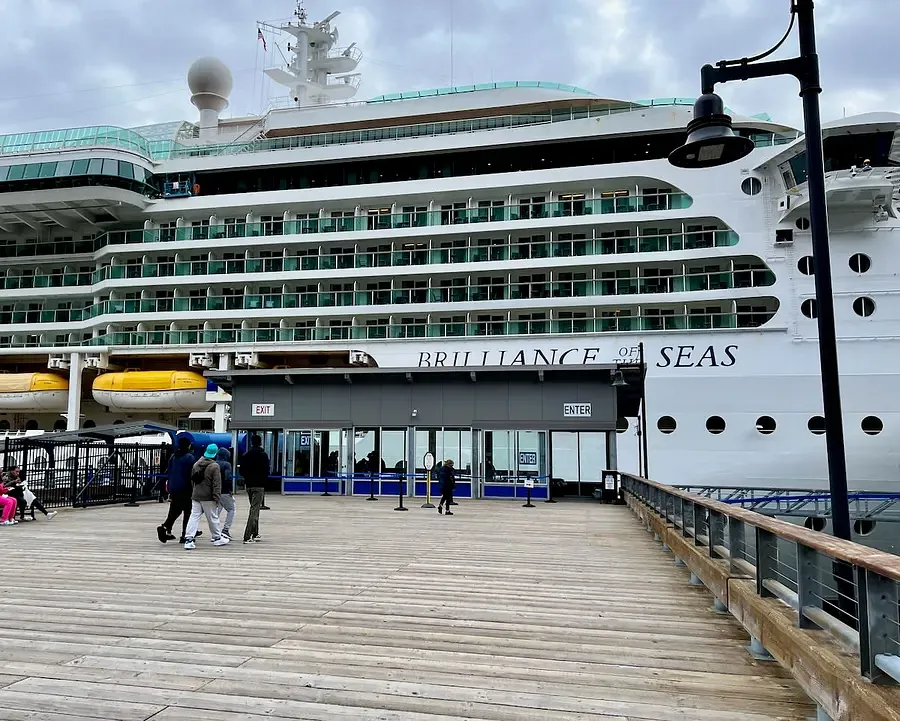
I've sailed on one of their smaller ships, Brilliance of the Seas, to Alaska and found their ships well-organised for getting passengers on and off efficiently, which matters when you have thousands of people to move through embarkation. The freestyle approach to dining worked well, though the main dining rooms got busy at peak times.
Best for: Families, active travelers, people who want lots of activities and dining variety.
Carnival Cruise Line
Carnival positions itself as "The Fun Ships" and attracts a broad demographic, often including younger passengers and families. The atmosphere is casual and lively. Ships are large and offer good value for money, though you'll pay extra for most drinks and speciality dining.
Best for: Budget-conscious travellers, families, people who want an active, social atmosphere.
Norwegian Cruise Line (NCL)
Norwegian pioneered freestyle cruising, which means no set dining times or dress codes. The line attracts a mix of ages and tends to feel more relaxed than traditional cruise lines. Ships vary from older vessels like Norwegian Star to newer, larger ships like Prima.
The lack of assigned seating and formal nights appeals to people who want flexibility, though it can mean longer waits for tables at popular restaurants during peak hours.
Best for: Travellers who value flexibility, don't want formal dress codes, and appreciate variety in dining.
Princess Cruises
Princess sits in the middle ground between mainstream and premium. Ships are large but not overwhelming, and the line attracts a slightly older demographic than Carnival or Royal Caribbean. On my recent transpacific cruise, the crowd was definitely much older than I'm used to. Princess is known for features like Movies Under the Stars, where you can watch films on a giant screen by the pool.
Princess offers traditional dining with assigned seating as well as flexible dining options. Formal nights are still part of the experience, though attendance is optional, and "formal attire" has a very broad definition these days.
Best for: Couples, mature travellers, people who want a more relaxed pace without going fully luxury.
Cunard Line
Cunard operates four ships and maintains a more traditional, formal approach to cruising. Queen Mary 2, in particular, is designed for transatlantic crossings and longer voyages. The line attracts an older, often British demographic, and retains formal dress codes for evening dining.
When I sailed QM2 from Brooklyn in 2025, that formality was evident, as well as an emphasis on the QM2 as an "ocean liner" rather than a resort ship. Some more is included in the base fare than mainstream lines, and I found the atmosphere notably quieter and aiming for refinement.
Best for: Travellers who enjoy traditional cruising, formal evenings, longer voyages, British atmosphere.
Virgin Voyages
Virgin Voyages is adults-only (18+) and takes a different approach to cruising. No buffet, no main dining room, no formal nights (Scarlet Night has more of a clubbing vibe). Instead, you have multiple included restaurants and a more relaxed, modern atmosphere.
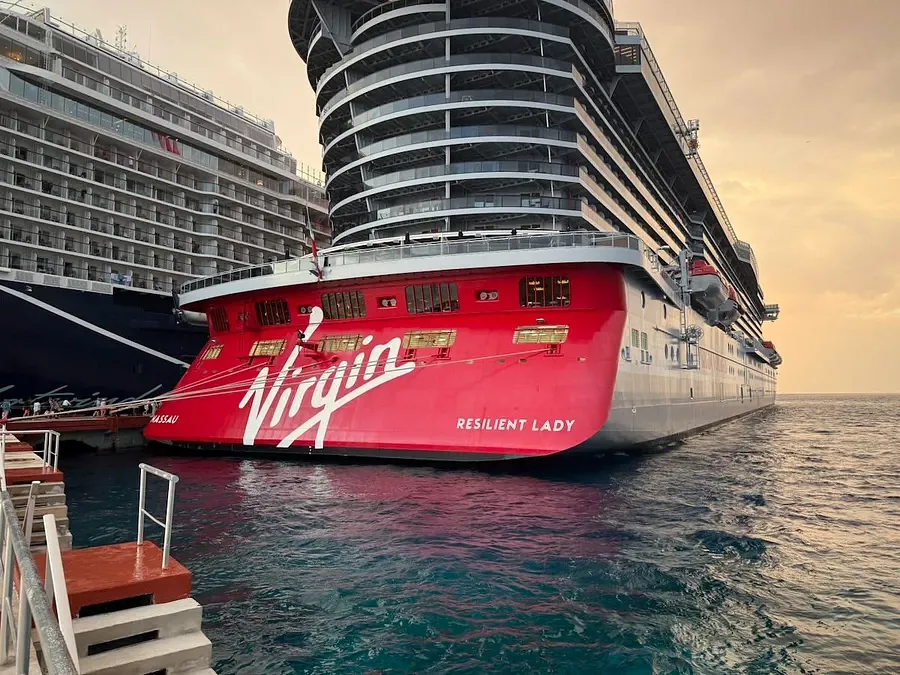
The line tries to appeal younger travellers (although on my 3 outings, 45-60 was the main demographic) and people who want to avoid the traditional cruise experience. All dining and soft drinks are included, which simplifies budgeting. The ships are smaller (around 2,700 passengers) and the design feels contemporary.
Best for: Adults who want a modern, informal cruise experience, anyone who dislikes buffets and formal dining.
MSC Cruises
MSC is a European line that has expanded significantly in North America, particularly since the launch of MSC World America in 2025. Ships are large and modern, and the passenger mix is more international than most US-based lines. The line offers good value, though the experience can feel different from mainstream American cruise lines in terms of service style and atmosphere. MSC gets some criticism for inconsistent food options and overcrowding.
Best for: Cruisers comfortable with a more international experience, budget-conscious cruisers, European itineraries.
How to Actually Make Your Decision
Start by thinking about what kind of holiday you want, not what the marketing promises.
Consider your priorities:
Do you want lots of activities and entertainment, or would you prefer a quieter experience? Large ships with thousands of passengers offer more variety but less intimacy. Smaller ships create a more relaxed pace but fewer choices.
How important is dining flexibility? If you like eating at different times each day, freestyle dining makes sense. If you prefer routine and the chance to get to know tablemates, traditional dining might suit you better.
What's your budget, really? Look at what's included in the base fare versus what costs extra. A cheaper cruise line that charges for everything can end up costing more than a pricier line with more inclusions.
Who else will be on board matters more than you might think. If you're travelling as a couple in your 30s and the ship is full of retirees or young families, you might feel out of place. Check reviews and forums to get a sense of the typical passenger demographic for specific ships and itineraries (it really can vary, even on ships within the same cruise line).
Start with the itinerary, then choose the line:
Often, the easiest way to narrow your options is to decide where you want to go first. Not every cruise line sails to every destination, and some specialise in certain regions. Once you know your destination, you can compare the lines that operate there.
Read reviews, but keep your mind open:
Online reviews help, but remember that people have different expectations. Example: I travel with hand luggage only and found a bunch of negative reviews for the luggage handling in Southampton port. The ship reviews were great! Remember, someone who loves mega-ships with rock climbing walls will write very different reviews than someone who wants a quiet library and afternoon tea. Try to identify reviewers whose travel style matches yours.
Final Thoughts
There's no universally "best" cruise line, just the one that matches what you actually want from your holiday. I've enjoyed very different experiences on Norwegian, Royal Caribbean, Cunard, and Virgin Voyages because each served a different purpose and my own shifting expectations (after 10 cruises, I started to look more at premium lines to understand their inclusions).
The more honest you are about your priorities (even if they feel boring or unglamorous), the better choice you'll make.
If you want lots of activities and don't mind crowds, lean into the mega-ships. If you prefer a slower pace and don't need constant entertainment, smaller ships will suit you better.
Take your time comparing what's actually included in the fare, read reviews from people with similar travel styles, and remember that your first cruise doesn't have to be your last. Many people try different lines until they find the one that feels right.